7 Iconic Happy Meal Toy Eras That Defined Childhoods

The 90s Boom Era
The Disney Golden Age
The Electronic Gadget Phase
The Modern Designer Collabs
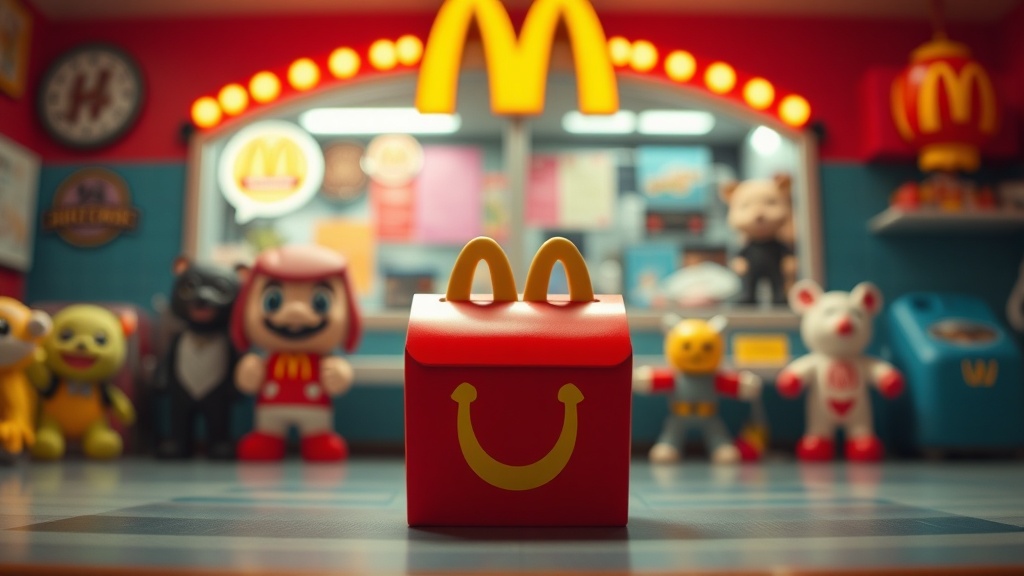
The crinkle of a paper bag, the smell of salty fries, and the sudden, frantic search through a cardboard box for that one specific plastic figure. For many of us, the Happy Meal wasn't just about the food; it was a high-stakes game of chance. This post explores the seven distinct eras of McDonald's toy history, from the simple plastic figurines of the 1980s to the high-end collectible partnerships of the modern day. Understanding these shifts helps collectors identify why certain eras command higher prices and how the quality of materials has evolved over decades.
The 1980s: The Era of Simple Plastic Novelties
The 1980s focused on low-complexity, high-durability plastic toys that were often single-function. Think of basic spinning tops, small cars, or simple wayfinders. These items didn't rely on heavy branding or complex electronics; they relied on tactile satisfaction. During this time, the toys were often generic enough to avoid heavy licensing fees, which meant you might get a dinosaur one week and a plastic dinosaur the next.
Collectors often look back at this era because the toys are incredibly hardy. They don't break easily. However, because they were often unbranded, finding specific "sets" can be a bit of a scavenger hunt. If you're looking to start a collection from this era, you'll likely be looking for basic shapes and bright, primary colors.
What Made the 1990s Happy Meal Toys So Popular?
The 1990s were defined by the explosion of massive media tie-ins with franchises like Disney, Star Wars, and Pokémon. This era moved away from generic plastic shapes and toward highly detailed, character-driven figures that reflected the pop culture of the time.
It was the golden age of the "collect-them-all" mentality. McDonald's realized that if they paired a toy with a massive movie release, kids wouldn't just want one; they'd want the whole set. This led to a massive increase in the complexity of the toys. We saw the rise of much more detailed action figures and even some electronic components. It wasn't just a toy; it was a piece of a larger world. (It's also why many of us still have a box of these in our attics somewhere.)
- The Disney Boom: Massive sets featuring characters from The Lion King or Toy Story.
- The Pokémon Phenomenon: Small, bendable figures that became instant cult classics.
- The Action Figure Era: More articulated limbs and detailed paint jobs.
The Early 2000s: The Rise of High-Concept Collectibles
As the new millennium rolled in, the toys became more specialized. We saw a shift toward "concept" toys—items that weren't just figures, but interactive experiences. This included things like water-based toys, light-up gadgets, and even more complex puzzles. The goal was to provide a "wow" factor that justified the excitement of the meal.
This era was a bit of a transition period. We were moving away from the pure nostalgia of the 90s and toward a more modern, tech-integrated approach. It’s a fascinating time for collectors because the material quality varied wildly. Some toys felt premium, while others felt a bit more flimsy compared to the heavy-duty plastics of the 80s. If you're interested in the longevity of these items, check out my guide on lighting your collection without damaging the plastic to ensure these 20-year-old pieces stay bright.
How Much Are Vintage Happy Meal Toys Worth?
The value of a vintage toy depends entirely on its brand, its condition, and whether it is still in its original packaging. A generic 1980s plastic dinosaur might only be worth a few dollars, but a mint-condition, sealed Star Wars figure from a specific 90s promotion can fetch significantly more among serious enthusiasts.
When evaluating your items, don't forget the packaging. A common mistake is assuming a toy is worth more just because it's "old." The reality is that the market is driven by scarcity and demand. A common toy from a popular era is easy to find. A rare error or a limited-run promotional item is where the real value hides. To understand the nuances of value, you should read my piece on whether sealed toys are actually worth more.
| Era | Primary Toy Type | Collector Value Trend |
|---|---|---|
| 1980s | Simple Plastic Shapes | Low (unless highly specific) |
| 1990s | Character-Driven Figures | High (especially Disney/Star Wars) |
| 2000s | Interactive/Electronic | Moderate (depends on functionality) |
| 2010s-Present | High-End Collaborations | Variable (Brand dependent) |
The 2010s: The Era of Global Brand Partnerships
By the 2010s, the landscape had changed. McDonald's began leaning heavily into global brands that had massive, built-in fanbases. We saw more frequent collaborations with brands like LEGO, Marvel, and Harry Potter. These weren't just "toys" anymore—they were mini-versions of existing, highly successful product lines.
The quality of these items is generally higher, but the "collectibility" is often more fleeting. Because these toys are tied to current movies or games, their peak value usually occurs shortly after the promotion ends. If you're a collector looking for long-term holds, the 2010s era requires a very discerning eye. You have to pick the winners early.
The Modern Era: Premium Collectibles and Digital Integration
Today, the Happy Meal toy is often a highly curated experience. We see more "premium" feeling items and even a push toward digital integration, where the physical toy might interact with an app or a QR code. The focus has shifted toward high-quality miniatures and even branded apparel or accessories in some markets.
This era is also where we see the most "limited edition" feel. The toys are often designed with the intention of being a souvenir rather than just a temporary distraction for a child. This makes the modern era a great time to start collecting, as the items are often more durable and better documented in online databases.
What to Look for When Buying Vintage Toys?
When buying vintage toys, you must look for signs of material degradation, specifically "sticky plastic" or discoloration. Many older toys were made with certain polymers that can break down over time if stored in heat or direct sunlight. This is why a "new" looking toy might actually be a degraded one.
Always check the joints. If you're buying a figure from the 90s, the articulation points (like knees or elbows) are often the first things to fail. A figure that looks perfect in a photo might have loose, wobbly limbs in person. If you find yourself with a dusty or aged piece, you might want to look into how to clean and restore vintage toys to bring them back to life.
As we look back through these seven eras, it's clear that the Happy Meal toy has undergone a massive transformation. It started as a simple reward for eating a meal and evolved into a sophisticated tool for global brand marketing. Whether you are a casual collector or a serious investor, understanding these shifts in manufacturing and branding is the best way to build a collection with actual longevity. The history of these little plastic pieces is more than just a timeline of toys; it's a timeline of how we've interacted with pop culture for decades.