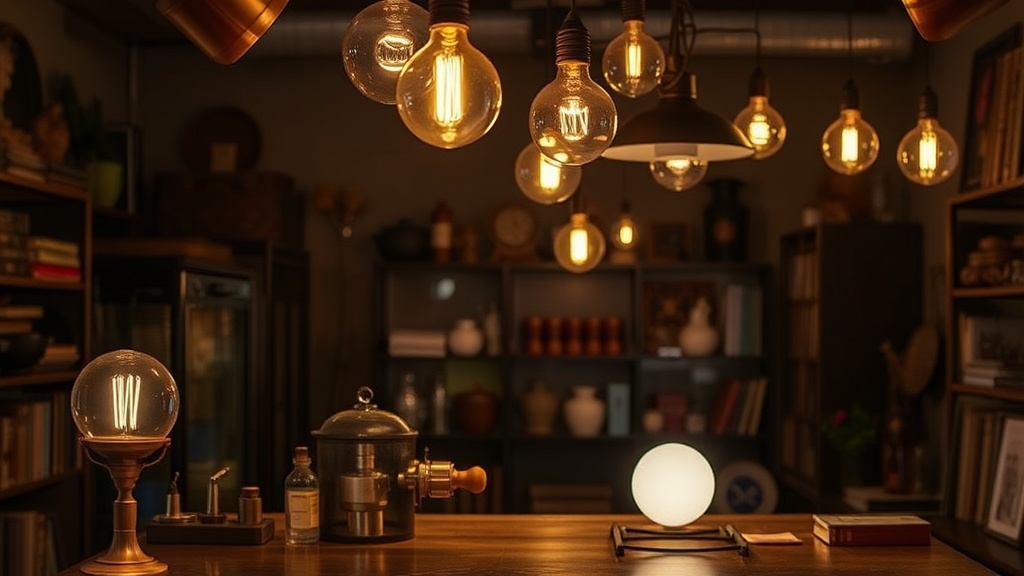
Lighting Your Collection Without Damaging the Plastic

Quick Tip
Always use cool-running LED lights instead of incandescent bulbs to prevent heat-related warping and UV degradation.
This post explains how to select and install lighting for your toy displays without causing heat damage or UV degradation to your plastic collectibles. Proper lighting makes your shelves look professional, but the wrong light source can melt soft vinyl or fade paint jobs in a matter of months.
What Type of Light is Safest for Plastic Toys?
LED (Light Emitting Diode) lights are the safest option for collectors because they emit very little heat and produce minimal UV radiation. Unlike traditional incandescent bulbs, LEDs won't bake your figures or cause the plastic to become brittle. If you're displaying high-value items—like a pristine 1990s McDonald's figure—you want to avoid heat-generating sources at all costs.
When choosing a light, keep these factors in mind:
- Heat Output: Look for "cool-to-the-touch" technology.
- UV Emission: Ensure the bulbs are UV-filtered to prevent pigment breakdown.
- Brightness Control: Dimmable options allow you to set the mood without overexposing the figures.
I've seen many collectors accidentally ruin their displays by using cheap halogen strips that get way too hot. It’s a mistake you don't want to make. (Even a few degrees of extra heat can warp a soft PVC figure.)
How Can I Prevent Color Fading in My Display?
You can prevent color fading by using UV-filtering films or choosing light sources that lack ultraviolet rays entirely. UV light is the primary enemy of pigment. It breaks down the chemical bonds in the paint, leading to that dreaded "sun-bleached" look on vintage toys.
For more on long-term care, read my guide on keeping your plastic treasures pristine. It covers a lot of the environmental factors that affect a collection's lifespan. A well-lit shelf looks great, but a stable environment is what keeps the value high.