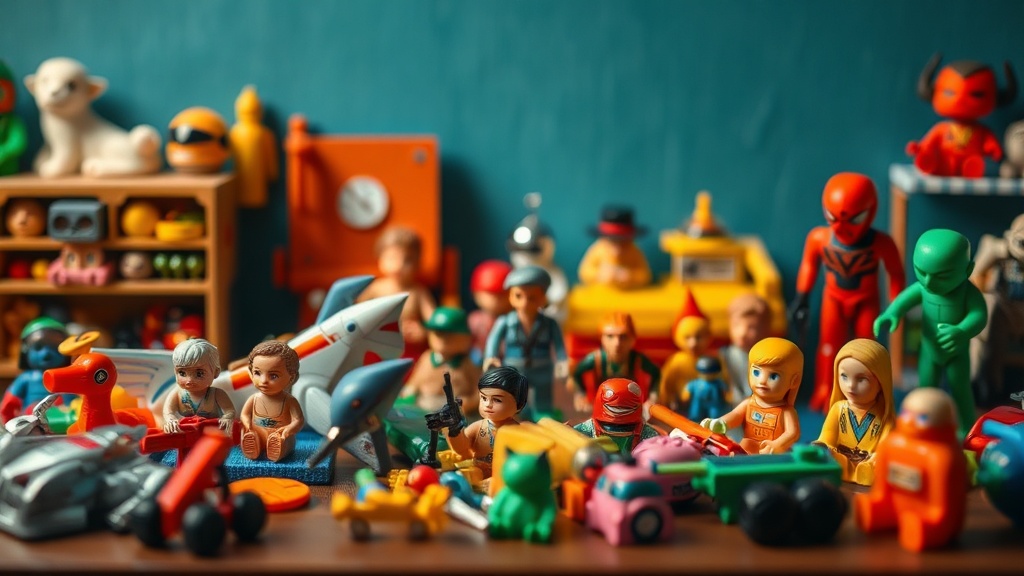
Keeping Your Plastic Treasures Pristine: 7 Tips for Toy Preservation

The Golden Rule of Sunlight Avoidance
Gentle Cleaning Methods for Plastic Surfaces
Dust Management for Display Shelves
Temperature and Humidity Control
Safe Storage Solutions for Small Figures
Handling Fragile Vintage Items
Using Acrylic Cases for Protection
You just pulled a mint-condition, high-demand figure from a vintage box, only to find a layer of sticky residue or a slight discoloration on the plastic a few months later. It happens to the best of us. This post covers the practical steps you need to take to protect your plastic figures, vinyl toys, and boxed collectibles from the natural degradation caused by light, air, and time. We'll look at how to manage environmental factors so your collection stays in the condition you bought it in.
Collecting isn't just about the hunt; it's about the long game. If you're serious about your shelf presence, you have to treat your items like the assets they are. Whether you own a handful of Funko Pops or a massive vault of vintage McDonald's toys, the enemy is often invisible.
How Do I Prevent Plastic Degradation?
Preventing plastic degradation requires controlling the temperature and light exposure of your display area. Most common plastics, like PVC or ABS used in brands like LEGO or Hasbro figures, are sensitive to UV rays and heat. If you leave a bright red figure in direct sunlight, the chemical bonds in the plastic break down, leading to fading or "sticky" surfaces.
Store your items in a cool, dry place. A basement in a humid climate like Toronto can be a nightmare for toy collectors if you aren't careful. High humidity leads to mold or even the breakdown of cardboard packaging. If you have expensive boxed items, consider using airtight, acid-free containers. This keeps the air out and the moisture at bay.
One thing to watch out for is "plasticizer migration." This is that gross, tacky feeling some older toys get. It's basically the chemicals inside the plastic trying to escape. It's a bummer, but it's often a sign that the storage environment is too warm.
What Is the Best Way to Clean Vinyl Figures?
The best way to clean vinyl figures is by using a soft, dry brush or a slightly damp microfiber cloth with water only. You should never use harsh chemicals or abrasive tools on your collection. If you use a heavy-duty cleaner on a delicate piece, you might strip the paint or damage the finish permanently.
Here is a quick breakdown of cleaning methods for different types of toy surfaces:
| Toy Type | Recommended Tool | What to Avoid |
|---|---|---|
| Vinyl Figures (Kidrobot/Pop) | Soft makeup brush | Alcohol-based wipes |
| Hard Plastic (LEGO/Action Figures) | Damp microfiber cloth | Scrubbing brushes |
| Boxed Collectibles | Dry microfibre cloth | Water or sprays |
| Vintage McDonald's Toys | Compressed air (low pressure) | High-pressure air cans |
If you have dust buildup in tiny crevices, a soft-bristled paintbrush is your best friend. It's much safer than using a vacuum or a high-pressure air canister, which can actually crack thin plastic parts. If you're dealing with a particularly stubborn spot, a tiny bit of distilled water on a cotton swab usually does the trick. Just don't soak the toy—moisture is a collector's enemy.
How Can I Protect Carded Toys from Damage?
Protecting carded toys requires the use of high-quality plastic protectors or "blister" cases. If you have a vintage figure still on its original cardboard backing, that cardboard is incredibly vulnerable to humidity and physical warping. A single dent in a corner can drop the value of a piece significantly.
I always recommend investing in heavy-duty acrylic cases for your most prized possessions. A simple plastic baggie isn't enough for a high-end piece. You want something rigid that prevents the cardboard from bending. If you're looking at the history of toys, you'll see that packaging is often as important as the toy itself for determining value.
Also, keep an eye on your display lighting. LED lights are much better than old-school incandescent bulbs. Incandescent bulbs put out a lot of heat, which can cause the plastic bubbles (blisters) on the packaging to melt or sag. It's a subtle thing, but it matters.
How Do I Store My Collection Safely?
Store your collection in a climate-controlled room away from direct sunlight and extreme temperature fluctuations. This is the golden rule of preservation. You want to avoid the "attic or garage" trap—never store your treasures in a place where the temperature swings wildly between day and night.
When organizing your shelves, think about weight distribution. If you're stacking heavy vinyl figures on top of lighter ones, you're asking for a crushed base. I've seen many collectors ruin their lower-tier figures just by being a bit too crowded with their high-tier ones.
A few tips for organized storage:
- Use tiered shelving: This allows you to see everything without having to dig through boxes.
- Label your bins: If you use storage bins, label them by brand or year so you aren't hunting for that one specific piece.
- Avoid wood contact: Some types of treated wood can off-gas chemicals that might affect certain plastics over time.
Does Sunlight Really Ruin Toys?
Yes, UV radiation is one of the most destructive forces for any plastic-based collectible. Sunlight triggers a process called photodegradation, which breaks down the chemical bonds in the material. This results in fading, yellowing, and even structural brittleness.
It's not just the color that goes. Even if you can't see the UV rays, they are working on your figures every single minute they sit on a sunny windowsill. If you have a display case, try to use UV-filtering glass or acrylic. It's a small investment that pays off if you want your items to look as good in ten years as they do today. It's a lot like the way we look at what actually matters in toy collecting—it's the long-term health of the piece that dictates its value.
If you're displaying items in a room with large windows, consider using UV-blocking window film. It's a cheap, easy fix that protects your entire room, not just your shelves. It's much better than finding out your favorite figure has turned a sickly shade of yellow because of a sunny afternoon.
How Often Should I Inspect My Collection?
A quarterly inspection is usually enough to catch most issues before they become permanent. Every three months, go through your shelves and look for signs of dust, discoloration, or any "stickiness." If you catch a problem early, you can often fix it with minimal intervention.
During these inspections, check the seals on any airtight containers you use. If a seal has perished, moisture might be getting in. Also, check your electronic displays or light-up figures for any signs of battery leakage. Leaking batteries are a huge problem—the acid can eat through plastic and metal in a very short amount of time. If a battery is leaking, remove it immediately and clean the area with a cotton swab and a tiny bit of white vinegar to neutralize the acid.
It might feel like a chore, but this kind of maintenance is what separates a "pile of stuff" from a curated collection. It's about respect for the items you've spent time and money to acquire. Whether you're a casual collector or a heavy hitter, these habits will keep your stash in top shape.