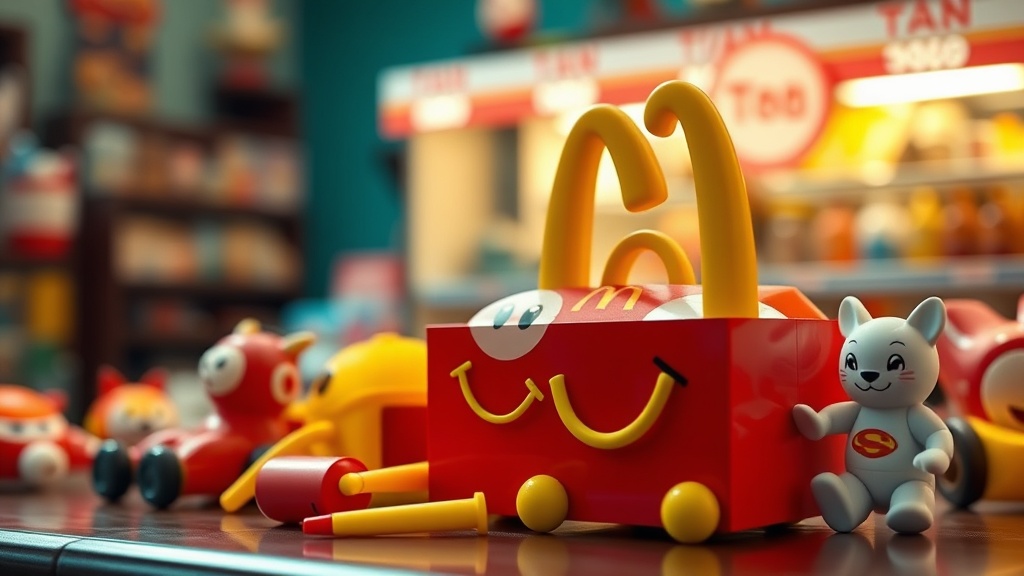
The Ultimate Guide to Collecting Happy Meal Toys: What Actually Matters in 2026

Walk into any collector meetup and you’ll hear the same debate within five minutes: what actually makes a Happy Meal toy worth keeping? Not everything ages well. Some pieces explode in value. Others sit in bins forever. After years of collecting—and more than a few mistakes—I’ve learned that the difference isn’t luck. It’s knowing what to look for.
This guide cuts through the noise. No hype, no nostalgia goggles—just the real factors that separate shelf clutter from genuinely interesting collectibles.
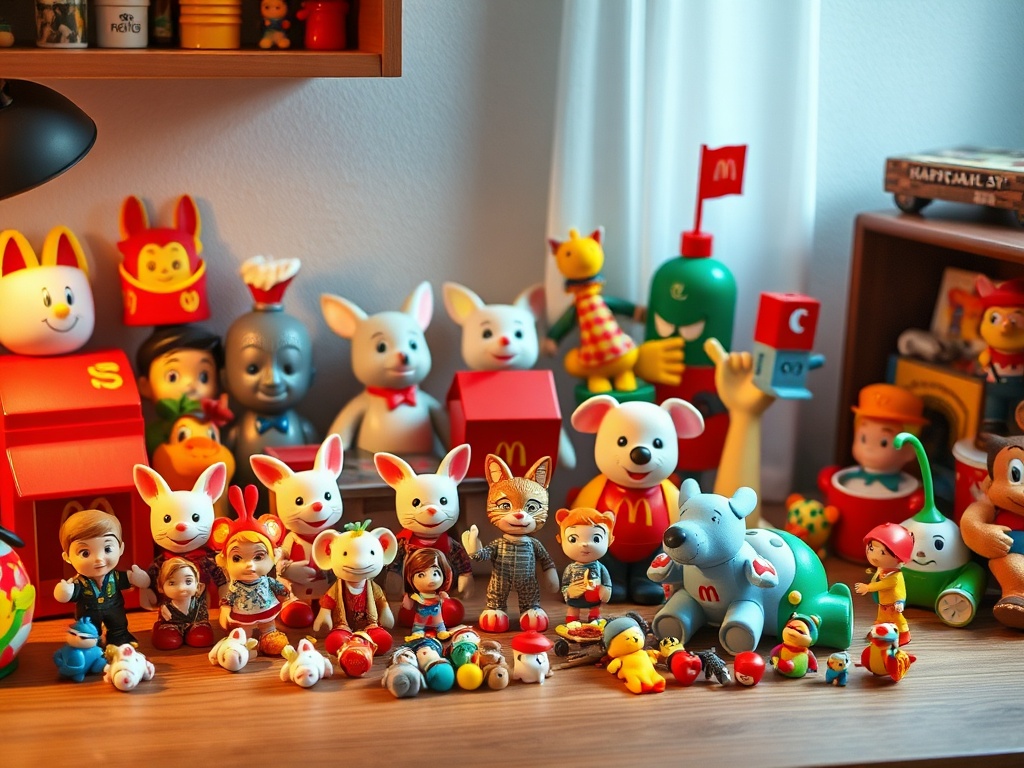
Why Some Happy Meal Toys Become Collectible
Not all toys are created equal, even if they came from the same era. The biggest misconception I see is collectors chasing age alone. Old does not automatically mean valuable.
What matters is a mix of cultural relevance, production quirks, and condition. A toy tied to a major franchise or moment tends to carry more long-term interest. Think recognizable characters, collaborations, or first-time releases.
Another key factor is scarcity—but not the kind people assume. True scarcity comes from uneven distribution, short production runs, or regional exclusives, not just “this feels rare.”
The Three Pillars: Condition, Completeness, and Packaging
If you take nothing else from this guide, remember this: condition beats almost everything.
Condition
Scratches, discoloration, and loose parts kill value quickly. Even minor wear can cut interest in half for serious collectors. If you’re buying secondhand, inspect joints, stickers, and paint details closely.
Completeness
Accessories matter more than most people expect. Missing pieces—even tiny ones—turn a premium collectible into a casual display item. Original inserts, instructions, or gimmick parts can make a huge difference.
Packaging
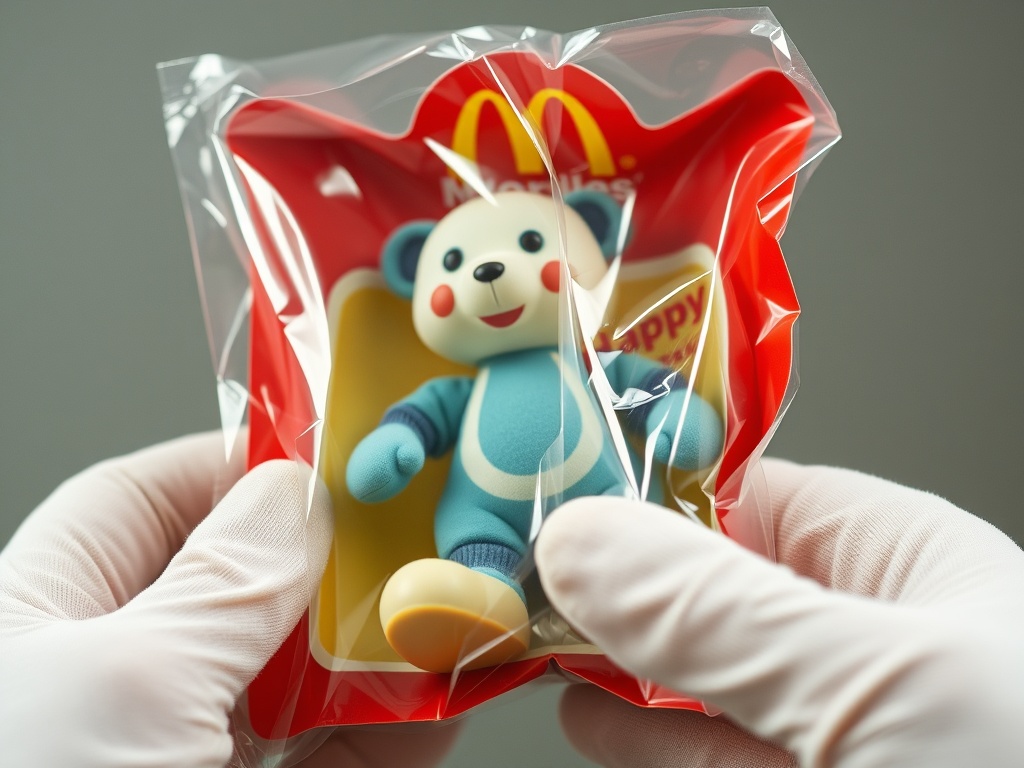
Sealed toys consistently outperform loose ones. The original bag or box isn’t just protection—it’s part of the collectible story. That said, poorly stored sealed items can still degrade, so don’t assume sealed equals perfect.
Modern vs Vintage: Where Should You Focus?
There’s a split in the community between vintage purists and modern hunters. The truth? Both lanes have value—but for different reasons.
Vintage (80s–early 2000s)
These toys benefit from nostalgia cycles and lower survival rates. Many were opened, played with, and discarded. Finding clean examples today is harder, which creates demand.
Modern (mid-2000s–present)
Production quality is often higher, and collaborations are more strategic. Limited-time releases tied to global franchises can spike quickly—but they also flood the market if overproduced.
If you’re starting out, I recommend blending both. Use modern releases to learn patterns, and selectively invest in vintage pieces with strong character recognition.
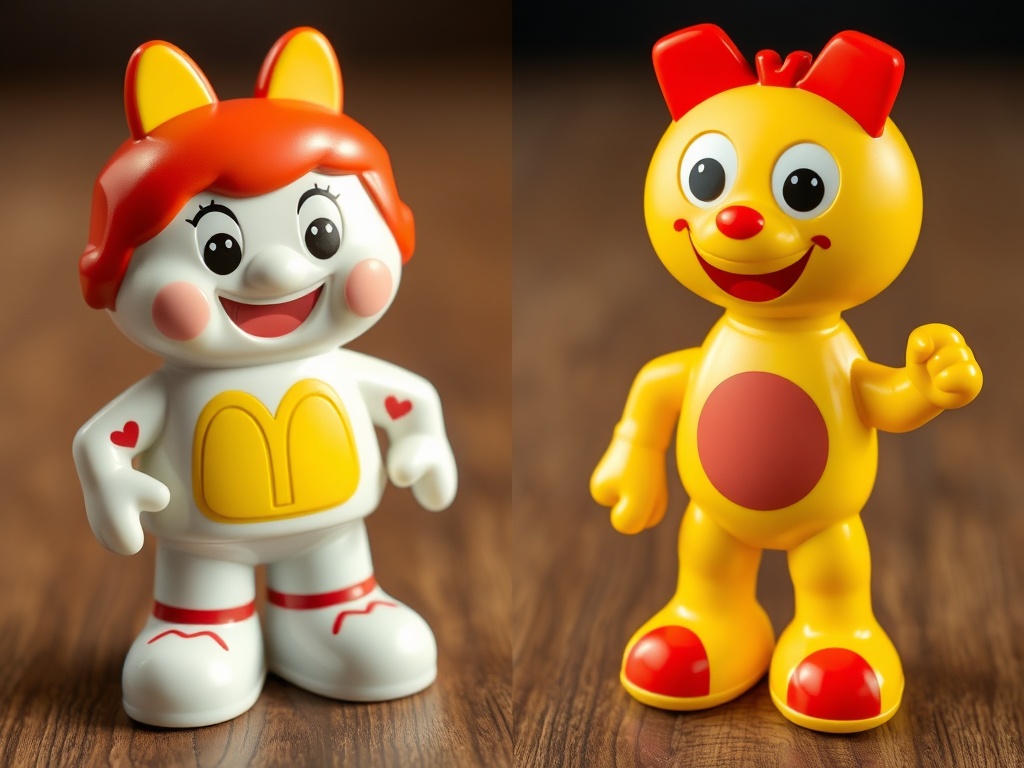
What to Avoid (Hard Lessons From Experience)
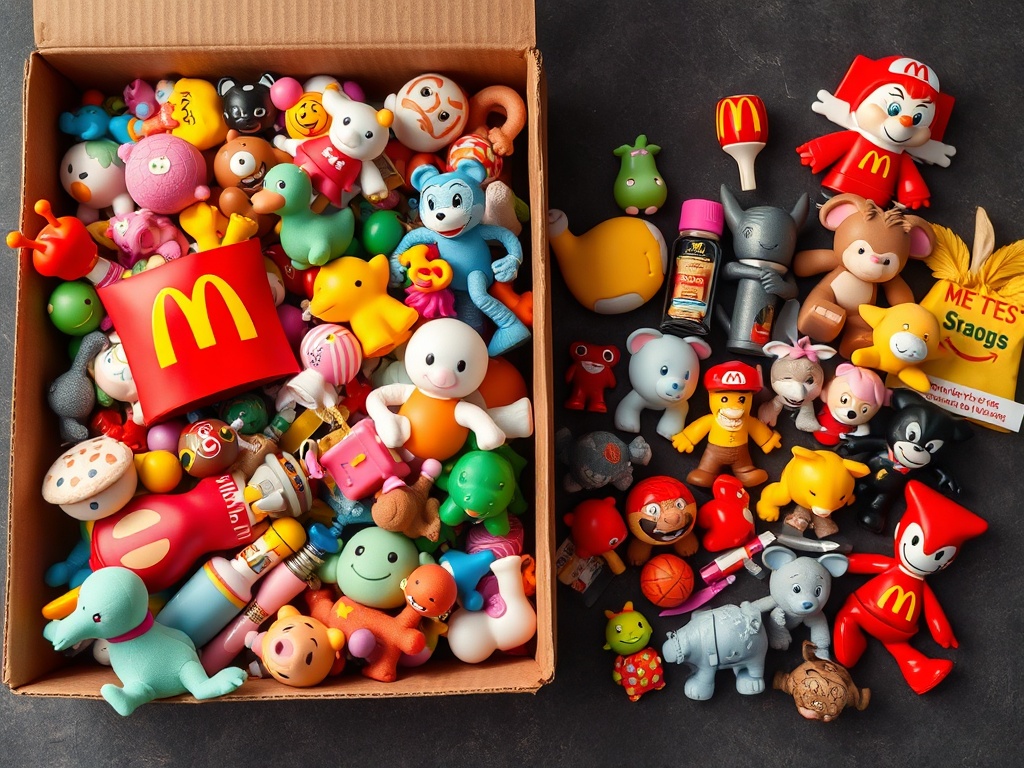
Every collector has a regret box. Mine is full of items that seemed exciting at the time but didn’t hold up. Here’s what to watch out for:
- Mass-produced filler sets – Large runs with minimal design variation rarely gain traction.
- Generic themes – Toys without recognizable characters or branding tend to fade fast.
- Poor materials – Cheap plastics age badly, especially with sunlight exposure.
- Impulse buys – Buying “just because it’s there” adds clutter, not value.
If a piece doesn’t spark interest beyond nostalgia, it’s usually not worth chasing long-term.
How to Spot Underrated Gems
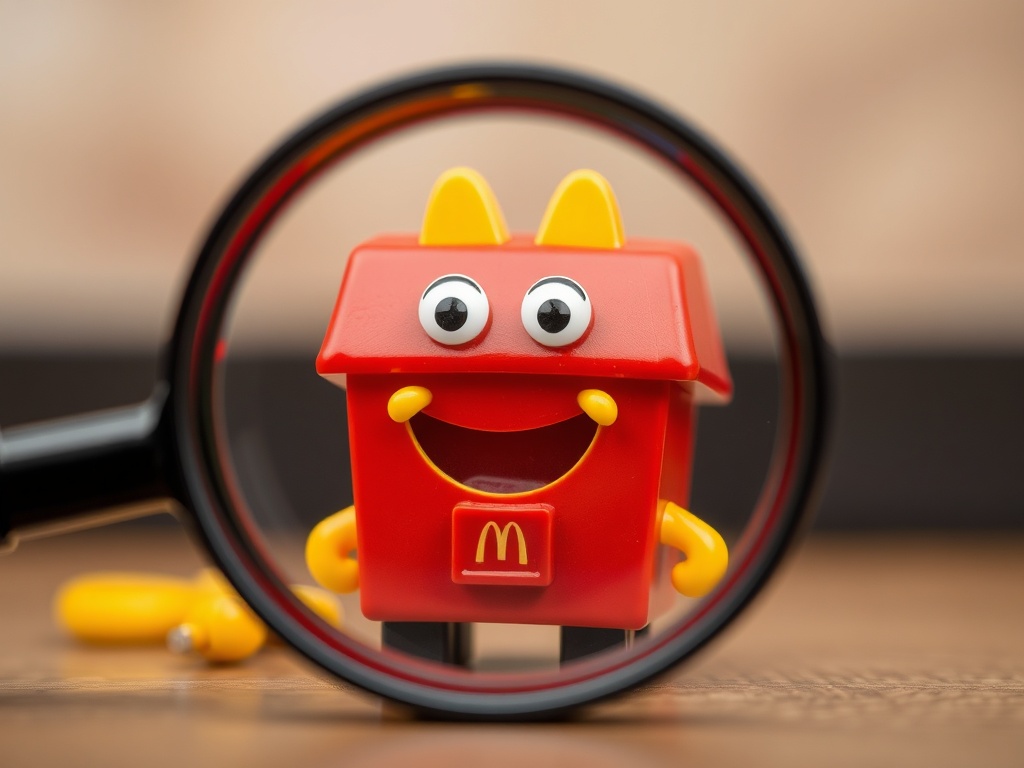
This is where collecting gets interesting. The best finds aren’t always obvious.
Look for toys that meet at least two of these criteria:
- Strong brand tie-in with lasting popularity
- Unique mechanism or design feature
- Limited regional release
- Short production window
- High-quality materials compared to peers
One trick: pay attention to toys people overlook during initial release. If collectors ignore something early, supply stays high—but demand can grow later when nostalgia catches up.
Storage and Display That Actually Protects Value
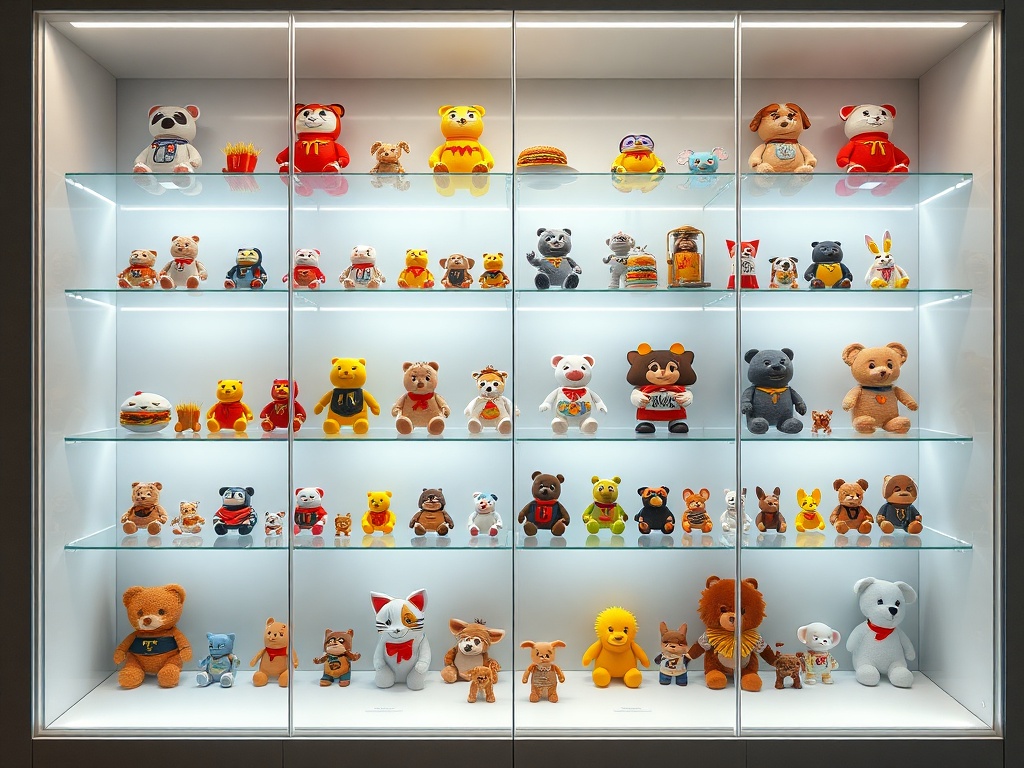
Good storage isn’t about aesthetics—it’s about preservation. Sunlight, humidity, and dust are your biggest enemies.
Here’s a simple setup that works:
- Keep toys out of direct sunlight to prevent fading
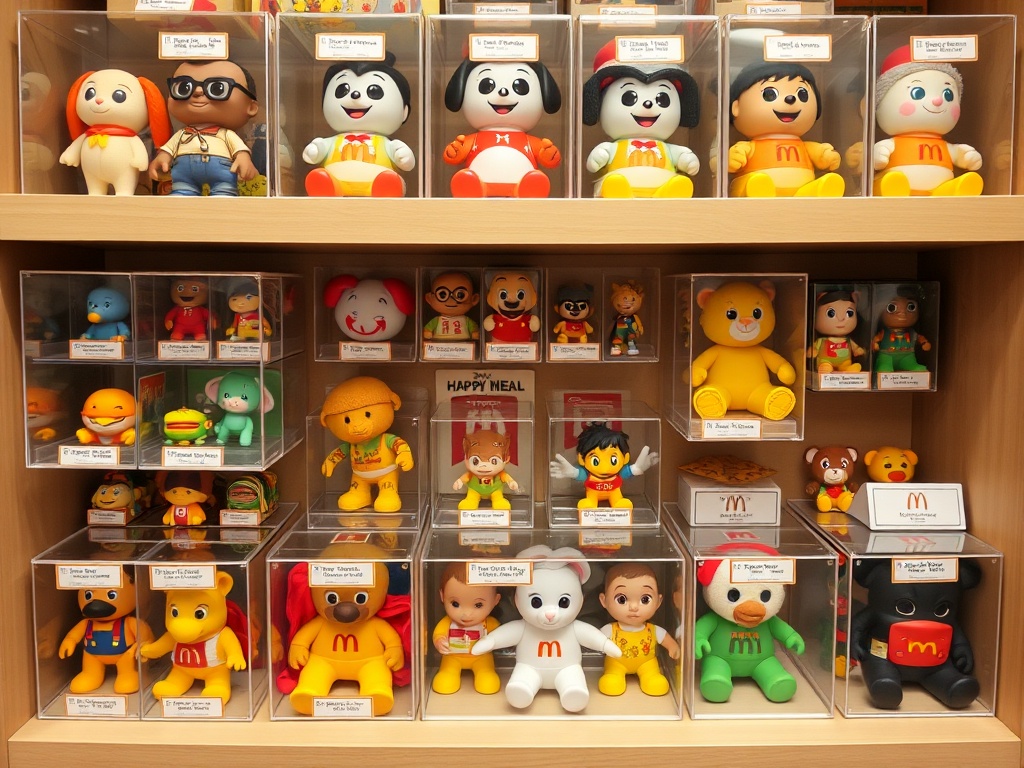
- Use sealed containers or display cases for dust control
- Avoid extreme temperature changes
- Store sealed items flat to reduce stress on packaging
If you’re serious about collecting, invest in basic protective cases. It’s one of the few upgrades that consistently pays off.
Is Collecting Happy Meal Toys Still Worth It?
Short answer: yes—but only if you approach it with intention.
The market isn’t about flipping random toys for profit anymore. It’s about curating a collection that reflects taste, timing, and awareness. The collectors who do well are the ones who stay selective.
If you’re expecting quick wins, you’ll burn out. But if you enjoy the hunt, the research, and the slow build of a focused collection, there’s still plenty of room to grow.

Final Thoughts
The best collections aren’t the biggest—they’re the most intentional. Every piece should have a reason to be there, whether it’s design, nostalgia, or rarity.
Start small. Learn what you like. Pay attention to patterns. And don’t be afraid to pass on something that doesn’t meet your standards.
That’s how you build a collection that actually holds up over time.