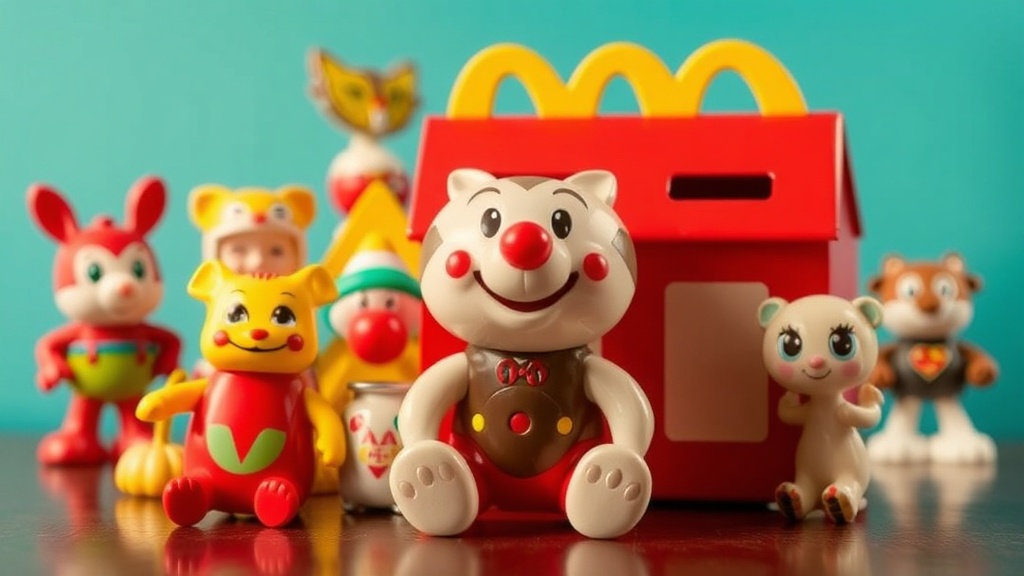
The Complete Guide to Building Your Vintage Happy Meal Toy Collection

Building a vintage Happy Meal toy collection takes patience, strategy, and a willingness to dig through garage sales. This guide covers everything from identifying valuable pieces to storing them properly, whether you're starting from zero or looking to level up an existing collection. You'll learn where to hunt, what to pay, and how to spot fakes before they drain your wallet.
What Makes a Happy Meal Toy Valuable?
Rarity drives price. The most sought-after pieces typically came from limited promotions, regional exclusives, or short production runs that ended early due to manufacturing issues.
Age matters, but it's not everything. Toys from the 1970s and 1980s generally command higher prices than newer releases. That said, condition often trumps age—a pristine 1995 toy can outperform a battered 1979 item. The Professional Sports Authenticator (PSA) grading system has become the gold standard for high-end collectibles, with "gem mint" 10-rated pieces selling for serious premiums.
Licensing partnerships create spikes in demand. Disney collaborations, especially from the 1990s, consistently outperform McDonald's original characters. The 1995 Disney Masterpiece Collection—featuring detailed figurines of Belle, Ariel, and other princesses—remains a grail set for many collectors. Character popularity shifts over time, too. toys that seemed disposable in 1987 now trigger serious nostalgia (and bidding wars) among collectors in their thirties and forties.
"The toys you ignored as a kid are the ones worth hunting now. Everyone saved the obvious stuff. The real finds? Weird regional promotions that ran for two weeks in Manitoba."
Where Should You Hunt for Vintage Happy Meal Toys?
The best sources depend on your budget, patience level, and tolerance for digging through cardboard boxes smelling of attic dust.
eBay dominates the resale market. Search filters matter here—set up alerts for "vintage McDonald's toys lot" and check newly listed items daily. The deals disappear fast. Watch for sellers who don't know what they have; a "old burger toys" listing often prices lower than "collectible vintage McDonald's premium."
Facebook Marketplace and local buy-and-sell groups reward persistence. Estate sales in older neighborhoods—particularly those advertised by adult children clearing out parents' homes—can yield untouched stashes. The key is checking listings within the first hour of posting.
Flea markets and toy shows let you inspect condition before buying. Bring a loupe (a small magnifying glass) to check for paint wear, battery corrosion, and reproduction stickers. The Toy Association maintains a calendar of major shows, though local events often deliver better finds with less competition.
Here's the thing: building relationships with sellers pays off. Regular vendors at flea markets remember what you're hunting for. They'll text you before listing online. That personal connection often beats algorithms.
How Much Should You Expect to Pay?
Prices range from pocket change to mortgage payments. Understanding the tiers helps set realistic expectations—and prevents overpaying for common pieces.
| Price Tier | Price Range | What You'll Find |
|---|---|---|
| Bulk Lots | $0.50 - $3 per toy | Common 1990s-2000s pieces, mixed condition, duplicates |
| Mid-Tier Singles | $10 - $50 each | Complete sets from popular promotions, good condition |
| Premium Collectibles | $75 - $300 each | Complete 1980s sets, mint-in-package rarities |
| Grail Items | $500+ | Prototype toys, regional exclusives, factory errors |
The catch? Shipping costs destroy margins on cheap lots. A $20 box of 50 toys becomes $45 after postage. Local pickup wins for bulk purchases. For single high-value items, factor grading costs into your math—PSA submission runs $20-50 per toy depending on declared value and turnaround speed.
Authentication matters at every tier. Reproduction packaging floods the market. Original 1980s McDonald's bags had specific font weights and ink saturation that modern scans can't replicate. Study reference images on collector forums before committing to big purchases.
How Do You Store and Display Your Collection?
Proper storage preserves value. Plastic degrades, paint fades, and batteries leak—sometimes spectacularly.
For loose toys, acid-free polypropylene bags prevent dust accumulation without trapping moisture. Avoid PVC (that crinkly plastic smell signals trouble long-term). Really Useful Boxes—the British storage brand—offer stackable, transparent containers in sizes perfect for sorting by year or promotion. Label everything. You'll forget whether that white plastic bag holds 1987 Changeables or 1991 McDino Changeables.
Mint-in-package items need different treatment. UV light yellows blister cards and fades cardboard backings. Store MIB toys in dark spaces—or display them using UV-filtering acrylic cases from companies like BCW Supplies. Temperature swings cause plastic blisters to separate from cardboard; aim for consistent room temperature with moderate humidity.
Battery-operated toys from the 1980s and 1990s present special challenges. Alkaline batteries left inside inevitably leak, creating white crusty corrosion that destroys both the toy and its value. Remove batteries from any piece you plan to keep long-term. The exception? Some collectors pay premiums for "new old stock" with original batteries intact—though this is a gamble on the buyer's part.
Display Options That Work
Glass-fronted cabinets protect from dust while letting you enjoy the hunt's results. IKEA's Detolf cases remain popular for their price point, though serious collectors often upgrade to custom setups with LED lighting. Warm white bulbs (2700K) minimize UV exposure compared to daylight options.
Wall-mounted displays work for smaller collections or featured pieces. Shadow boxes with UV-protective acrylic let you group sets thematically—a complete 1996 Disney's Hunchback of Notre Dame set arranged against a printed cathedral background creates visual impact. Just ensure the mounting method doesn't damage packaging; archival-quality photo corners hold cards without adhesive contact.
What Are the Most Common Mistakes New Collectors Make?
Overpaying for "rare" items that aren't actually rare tops the list. eBay sellers love terms like "hard to find" and "vintage"—but 10 million units produced in 1994 doesn't equal scarce. Check completed sold listings, not active auctions, to gauge true market value. The McDonald's Collectors Club forums maintain detailed production number records for major releases.
Condition blindness costs money too. A $5 toy with paint chips and missing accessories isn't a bargain—it's a $5 lesson. Learn to assess condition accurately using standard grading scales:
- Mint (M): Flawless, as-manufactured condition
- Near Mint (NM): Minor wear visible only under close inspection
- Excellent (EX): Light play wear, all parts present
- Good (G): Obvious wear, possible minor damage, complete
- Poor (P): Heavy damage, missing parts, significant flaws
Worth noting: toys from smoking households absorb odors permanently. That "slight smoke smell" the seller mentions? It never leaves. The plastic pores hold those compounds for decades. Pass on these unless the price reflects the permanent damage.
Chasing completion too fast drains budgets. Building a complete 1992 Batman Returns set in one eBay purchase costs $200-300. Assembling it piece by piece through trades, flea markets, and patience might run $75-100 over six months. The journey matters—rushing just feeds reseller markups.
Finally, ignoring the community leaves money on the table. Collector groups on Facebook and Reddit share leads, trade duplicates, and call out scam sellers. The McDonald's Collectors subreddit (r/McDonaldsCollectors) runs a weekly "what's it worth" thread that prevents overpayment. Local collector meetups—often organized through these online groups—let you inspect pieces before buying and build relationships with people who share the obsession.
Start with what you loved as a kid. That emotional connection sustains the hunt when you've checked twenty garage sales without finding a single Squishmallow or Inspector Gadget part. Collecting vintage Happy Meal toys isn't about completing someone else's checklist—it's about rebuilding the moments that mattered, one small plastic piece at a time.