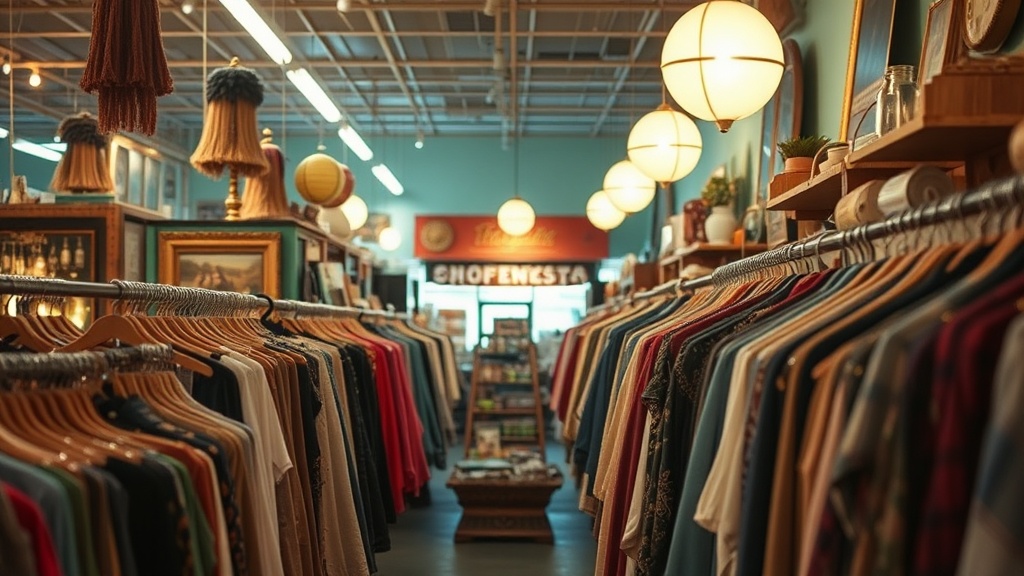
Finding Hidden Gems in Local Thrift Stores

Quick Tip
Check the 'toy' bins at thrift stores weekly to find undervalued vintage pieces.
Most collectors think you need to browse high-end auction sites to find rare pieces, but the best deals are often sitting in plain sight at your local thrift store.
Many people assume that vintage toys—especially high-demand items like 1990s McDonald's promotional figures—only exist in curated collector circles or expensive online marketplaces. That's a mistake. If you aren't looking at the $5 bins in your neighborhood thrift shops, you're missing out on massive margins and rare finds.
The reality is that many thrift store employees aren't trained to identify the value of a 1997 Pokémon promo or a specific Star Wars micro-figure. They see "old plastic," while you see a potential centerpiece for your display. It's all about knowing what to look for.
Where Should You Look for Rare Toys?
Focus your energy on the "toy" bins, the bottom shelves of the media section, and the miscellaneous "junk" bins near the checkout. You'll often find uncatalogued items tucked away in places where they don't belong.
Don't just stick to the toy aisles. Check the books section for vintage LEGO instruction manuals or old National Geographic issues that might feature interesting pop culture references. Sometimes, a collector's estate sale or a donation bin will include items that aren't even labeled as toys (like vintage board games or puzzles).
- The Media Section: Look for old toy catalogs or branded merchandise that might be tucked near DVDs.
- The "Misc" Bin: This is where the unidentifiable plastic pieces often end up.
- The Clearance Rack: Items that have sat too long often get marked down to pennies.
How Can You Identify a Valuable Find Quickly?
Keep a digital checklist or a quick-reference app on your phone to verify brands and years on the spot. You can't spend an hour researching every single item, so you need a system.
Look for manufacturer marks on the bottom or back of the figure. Brands like Hasbro, Mattel, or even specific McDonald's promotional stamps are dead giveaways for authenticity. If you see a mark that looks like a trademark, it's a sign the item is an official collectible rather than a generic toy.
| Visual Cue | What It Means |
|---|---|
| Small embossed text on feet/base | Likely an official branded figure. |
| Matted or faded plastic | The item has seen heavy use (or sun exposure). |
| Missing parts/accessories | Value is significantly lower; check for completeness. |
One thing to keep in mind is the condition of the plastic. If you find a piece that looks great but has a slight film on it, you might be able to fix it. You can learn more about how to clean and restore vintage Happy Meal toys to bring them back to life.
What Are the Best Brands to Hunt for in Thrift Stores?
Target brands with high "nostalgia equity" like Disney, Star Wars, or Nintendo. These items tend to move quickly and hold their value better than generic playthings.
While hunting, keep an eye out for specific eras. For example, a well-preserved 1990s Beanie Baby or a specific Pokémon figure can be a goldmine. Just remember to check the joints and any small parts before you head to the register. If a piece is broken, it might be a "project" rather than a "collector's item."
It's also worth noting that many thrift stores are actually quite picky about what they accept. If you see a high-quality item that looks a bit worn, don't assume it's junk. It might just need a little bit of love and a proper cleaning session.