Beyond the Plastic: Why Storage Mediums Dictate Your Collection Value

Why many collectors think standard shelving is enough
Most collectors believe that if a toy looks good on a shelf, it's safe. They assume that as long as the figure isn't being touched, it won't degrade. This is a fundamental mistake. Environmental factors—specifically UV exposure, humidity, and even the off-gassing of nearby materials—can destroy the value of a vintage Happy Meal toy long before you notice a physical change. If you're serious about maintaining the integrity of your plastic figures, you need to look past the aesthetics and focus on the chemistry of your display environment.
The goal isn't just to display; it's to preserve. Whether you're holding a rare 1990s promotional figure or a modern limited edition, the way you house that item dictates its longevity. We're talking about preventing yellowing, brittle limbs, and the dreaded "sticky plastic" phenomenon that plagues many older collections. It's a subtle science that separates the hobbyists from the serious curators.
What is the best way to store vintage plastic toys?
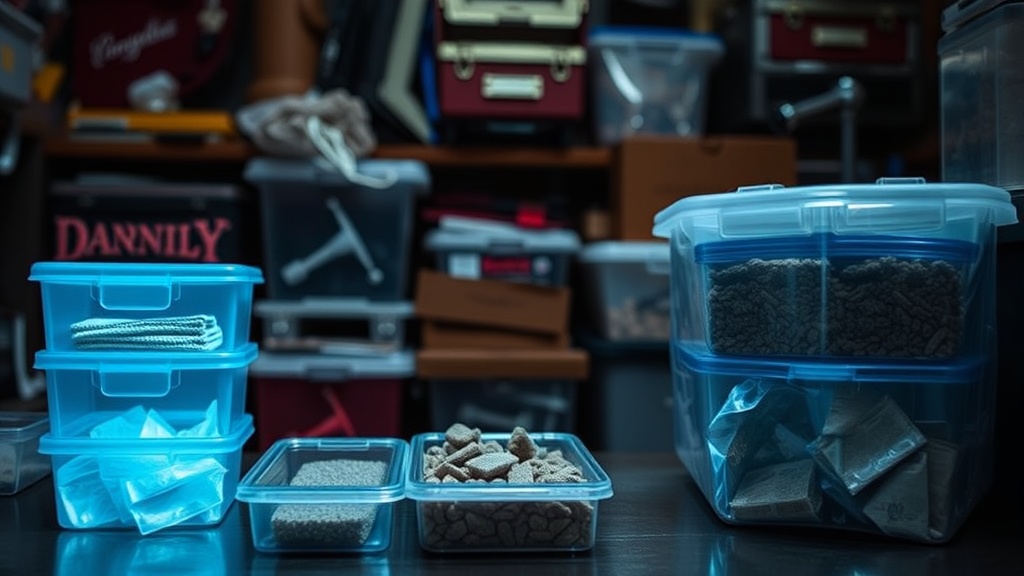
When it comes to long-term storage, the material of your containers matters more than you might think. Many people grab cheap, airtight plastic bins from a big-box store and call it a day. However, not all plastics are created equal. Some low-grade plastics used in budget storage bins can actually outgas chemicals that react with the PVC (polyvinyl chloride) used in many Happy Meal toys. This can lead to a tacky, melted texture on the surface of your figures.
If you want to do it right, look for the following standards:
- Acid-Free Environments: Ensure any paper-based packaging or inserts are acid-free to prevent staining.
- Polypropylene (PP) vs. PVC: Whenever possible, use polypropylene containers. These are generally more stable and less likely to react with the toy's material.
- UV Protection: If you aren't using an opaque box, your display case must have UV-filtering acrylic or glass. Sunlight is the fastest way to bleach the vibrant colors out of a classic McDonald's figure.
For those looking for professional-grade archival information, the Library of Congress preservation guides offer excellent insights into how different materials interact with light and air, which is highly applicable to high-end toy collecting.
Does humidity affect my Happy Meal toy collection?
Humidity is the silent killer of plastic collections. High humidity levels can lead to several issues, ranging from the growth of mold on cardboard packaging to the physical degradation of the plastic itself. If your collection is kept in a basement or an unconditioned attic, you're asking for trouble. Moisture can seep into the joints of articulated figures, causing them to become stiff or, conversely, too loose over time.
A stable environment is your best friend. Ideally, you want to keep your collection in a room with a consistent temperature and a relative humidity level between 40% and 50%. If you're storing items in a dedicated display case, consider adding small, rechargeable silica gel packets to help manage micro-climates within the enclosure. This is especially important for collectors who keep their items in airtight acrylic cases.
How can I prevent plastic yellowing on older figures?
Yellowing (often called "retro-brighting" by those trying to fix it) is usually the result of a chemical reaction between the plastic and UV light or heat. To prevent this, you must treat your collection as if it's a piece of fine art. Even if you don't have a professional-grade display, there are ways to mitigate the risk. Avoid placing your display near windows, even if they have blinds. Even indirect sunlight can cause significant color shifts over a few years.
Another factor is the "off-gassing" of nearby items. If you store your figures in a box with old magazines or certain types of cheap rubber-based items, the gases released by those objects can accelerate the aging of the plastic. Always keep your collection in a "clean" environment. A clear, dedicated space for your toys—free from the clutter of other household chemicals or aging paper—is the best way to keep those colors popping.
If you're curious about the chemical properties of the materials themselves, the American Chemical Society provides extensive resources on polymer stability, which can help you understand why certain plastics behave the way they do under different stressors.
The difference between a "toy in a box" and a "collector's item" is often nothing more than the way it was stored. By understanding these variables, you're not just keeping a piece of history; you're ensuring that the history remains intact for the next generation of fans. Don't wait until you see the damage to start caring about your storage methods. Proactive preservation is always cheaper than trying to fix a ruined collection.